Capturing Unforgettable Moments: Top 4 Tips for Better Sports Photography
I'm excited to share four essential tips to elevate your sports photography game and capture those unforgettable memories.
1. Get Low: Alter Your Perspective
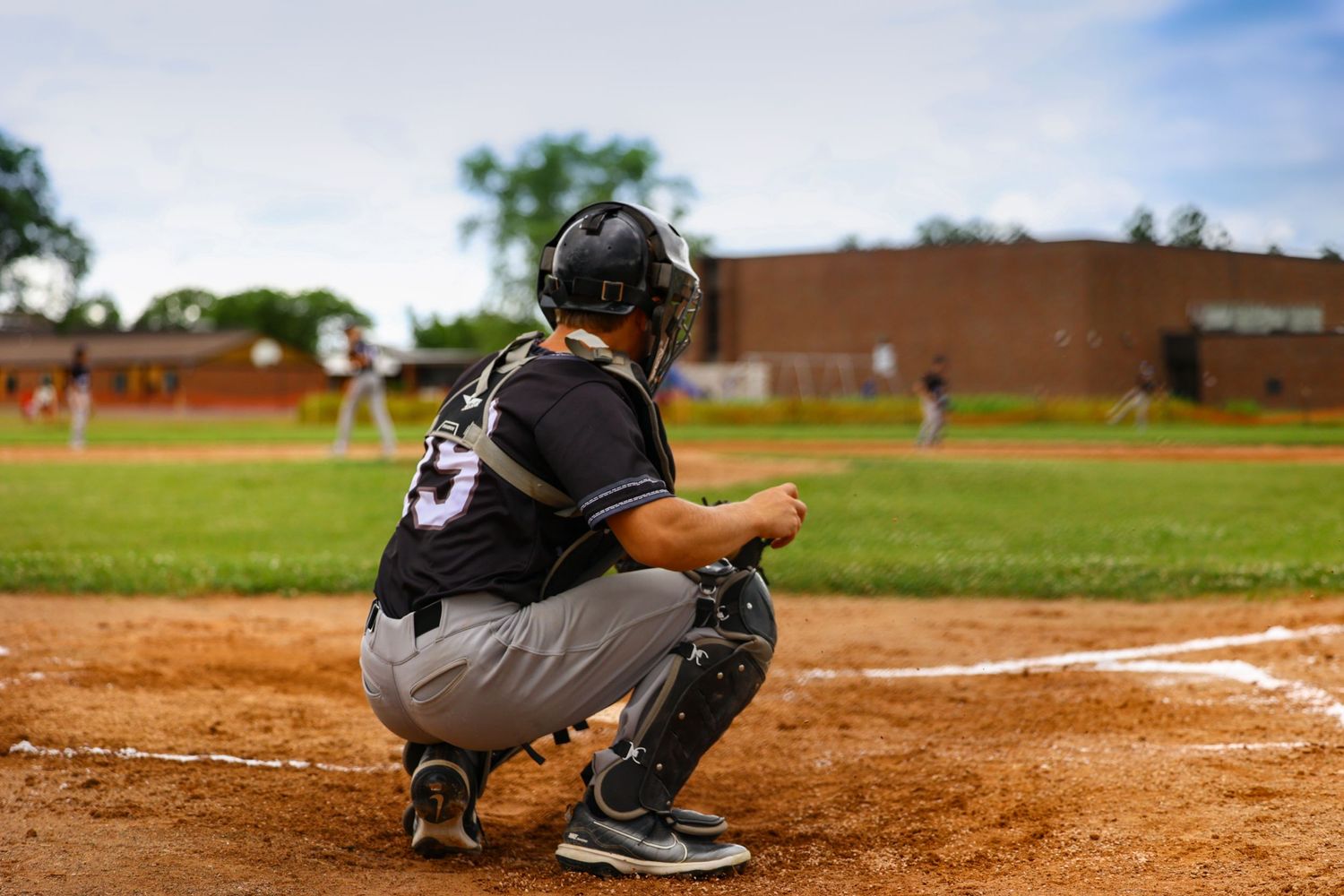
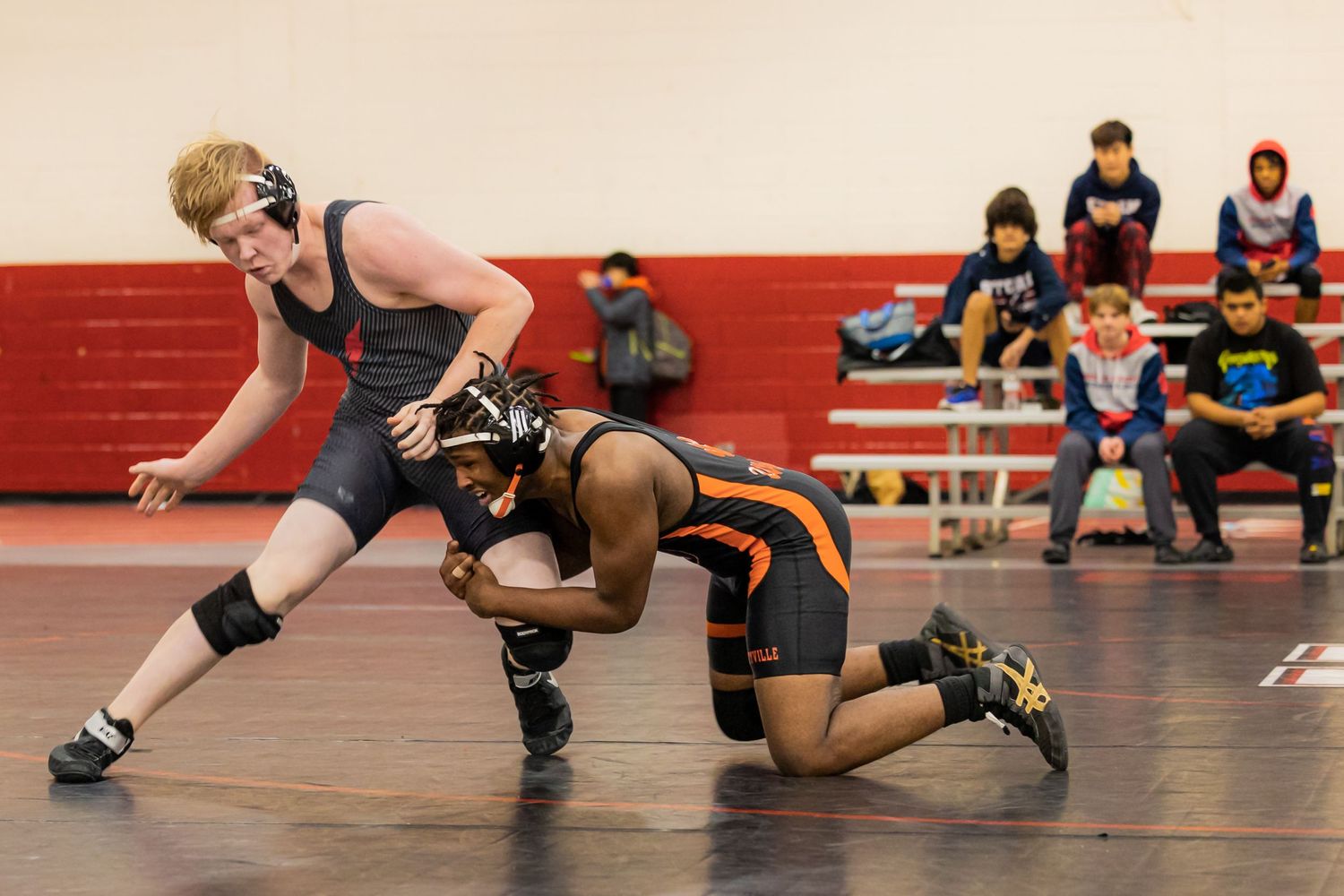
To truly capture the dynamism and intensity of sports, try changing your shooting angle. Getting low emphasizes the athlete's presence, making them appear larger than life. Position your camera below chest level, even going down to knee level for dramatic effect. This perspective not only adds depth but also immerses viewers into the heart of the action, creating a powerful visual narrative.
Photo: I'm at Main South HS, sitting on the ground with the camera at knee height. The low angle immerses the viewer in the action, emphasizing the athlete's presence.
2. Seek Clean Backgrounds
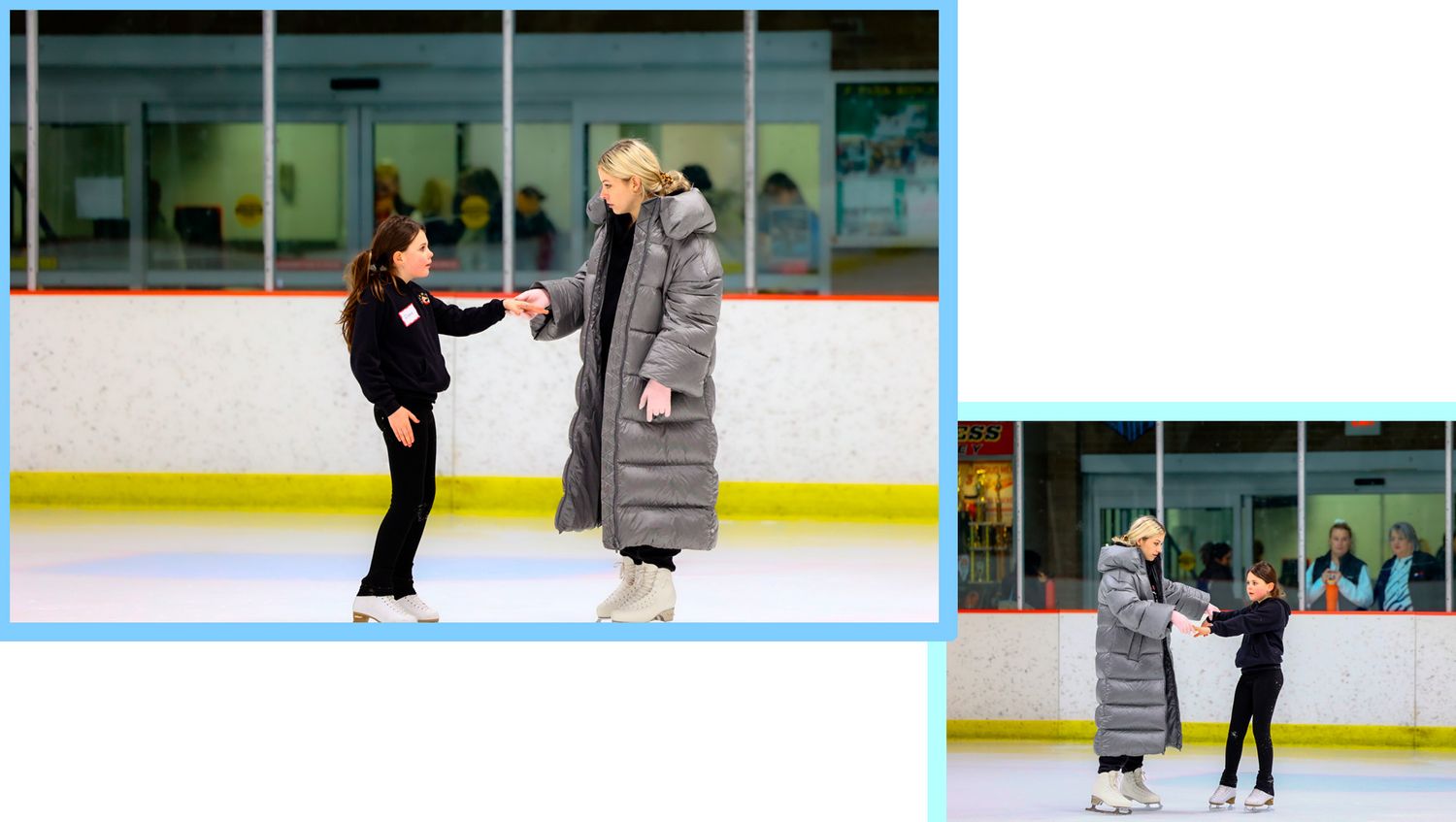
The key to compelling sports photography often lies in eliminating distractions. Look for backgrounds that are simple and uncluttered, allowing your subject to stand out prominently. This might mean moving around to find a clear vantage point or strategically positioning yourself where the background complements rather than competes with your subject. Sometimes, standing amidst the opposing team or finding an unoccupied section can provide the perfect backdrop for your shots.
Photos: I'm at Oakton Ice Skating Rink, capturing Olympic medalist Gracie Gold teaching a local youth skater. The far right image is inferior because you see women in the background competing with the subjects. The image on the left has a cleaner background, allowing the Olympian and youth to stand out prominently.
Side note: I felt very fortunate to be capturing olympic athletes in Park Ridge working with youth skaters!
3. Capture Faces and the Ball
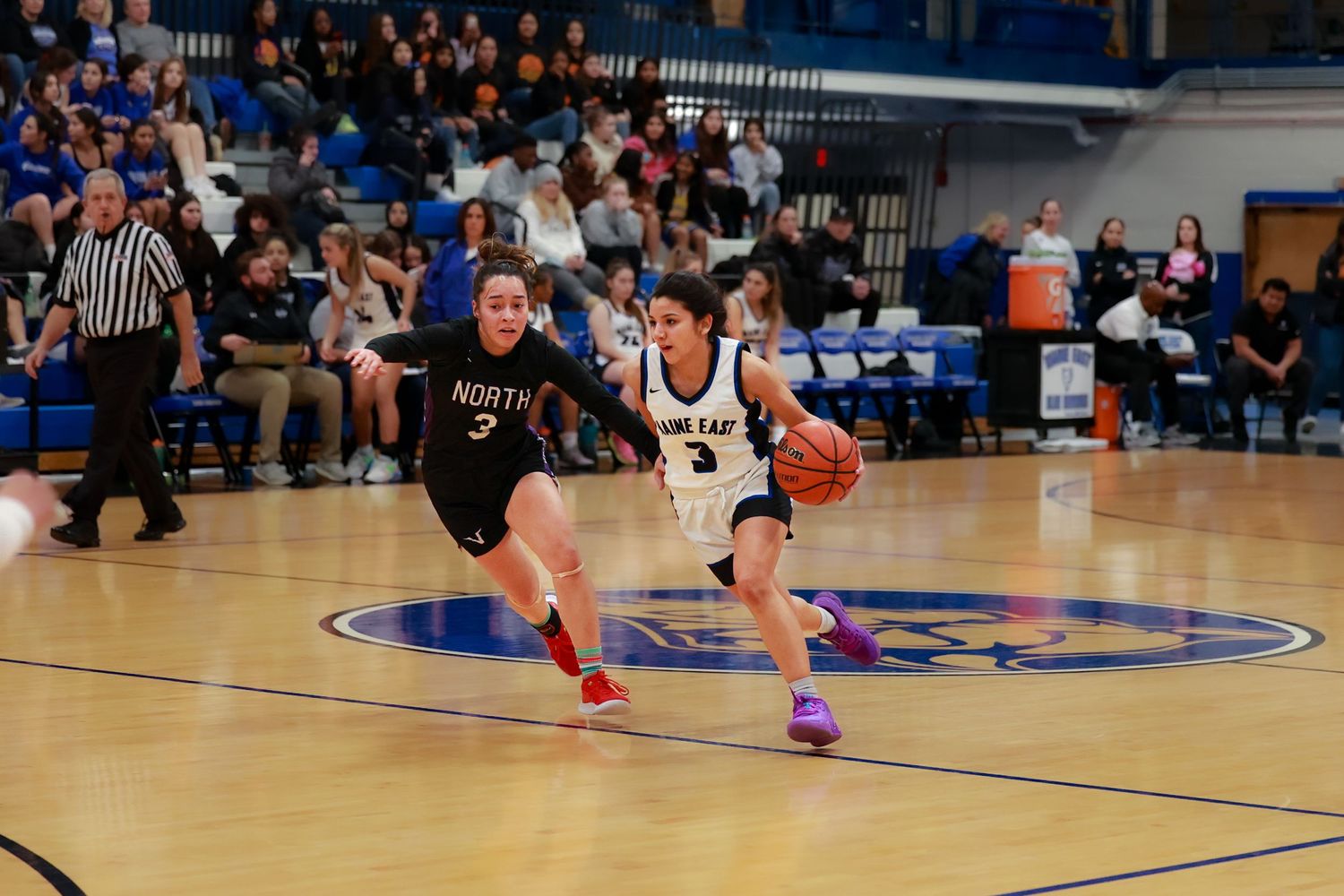
Start by focusing on capturing clear shots of the athlete's face and the ball—a fundamental combination that tells the story of each play. As you advance, aim to include interactions: two faces and the ball, such as the player and an opponent in action. Timing is crucial here; aim to capture moments when the athlete is in possession of the ball or mid-air, showcasing the intensity and agility of the game.
Photo: I'm at Main East HS, sitting in the lowest bleacher. I captured two faces and a ball at the perfect moment when the ball was in the subject's hand with their feet in motion. This shot proves that great photos can happen away from the basket.
4. Bottle Emotion: Tell a Compelling Story
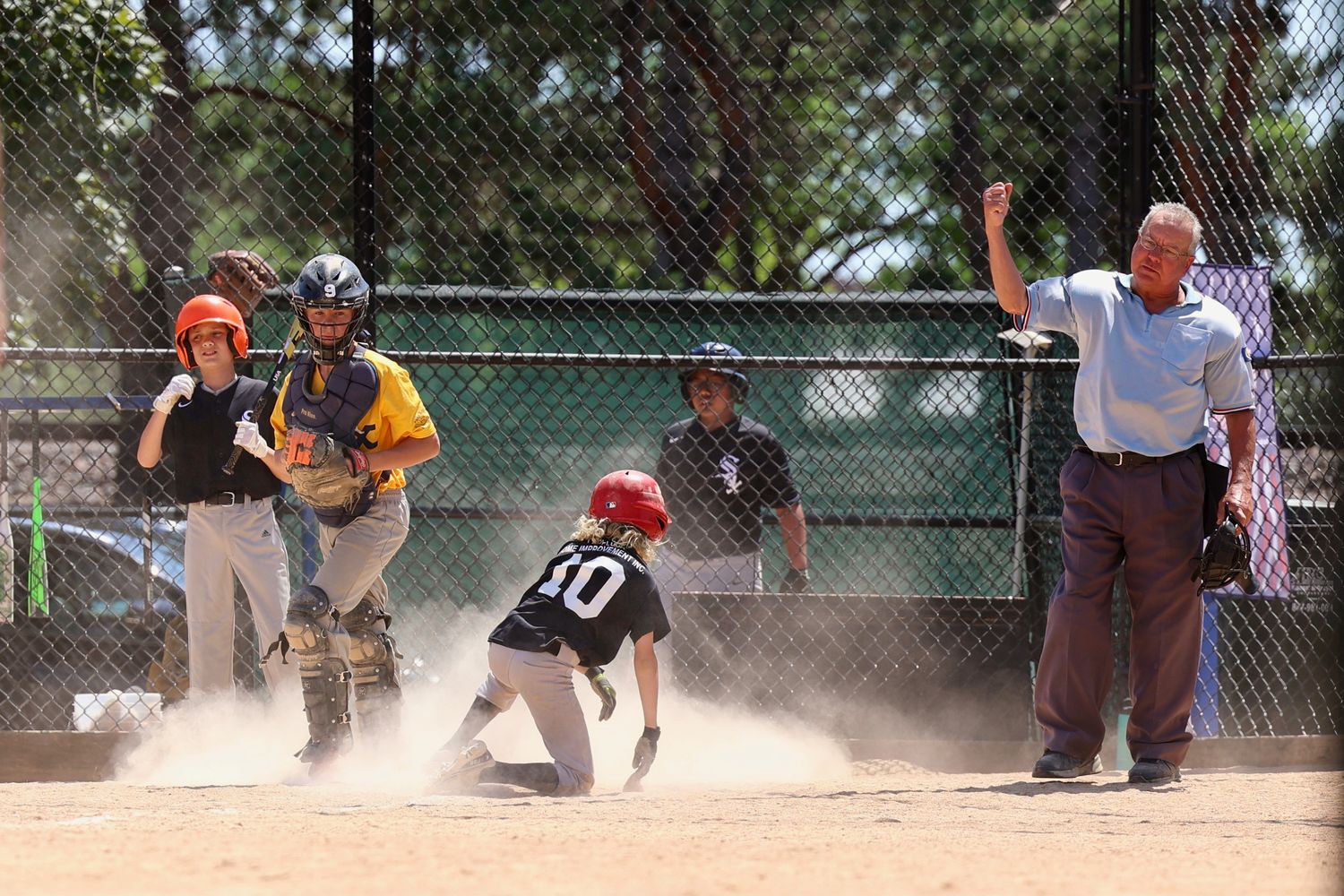
The ultimate goal of sports photography is to encapsulate emotion and narrative within a single frame. Look for moments that transcend the game—a catcher's triumphant walk as the umpire calls an out, with the opposing team's disappointment evident in their faces and body language. These moments, though challenging to capture, are the essence of storytelling in sports photography. Like any great narrative, your photograph should portray heroes, evoke emotions, and leave viewers with a sense of fulfillment. These moments typically happen 1-10 seconds after a big play. Keep your camera on your subject during that time to capture a story.
Photo: At Hinkley Park, I'm sitting low on the third base line. I keep shooting for 5 seconds after the play to capture the players' raw emotions. This image tells the story of triumph and disappointment.